
Climate Change Measures: Initiatives
- Environmental action plans for fiscal 2025 to 2027 and achievements
- Internal carbon pricing (ICP)
- Renewable energies
- Develop eco-friendly products
- Develop environmental contribution products
- Participation in Model Project for Promoting Decarbonization Throughout the Value Chain Initiative from the Ministry of the Environment in fiscal 2024
- Collaboration with suppliers
Environmental Action Plans for Fiscal 2025 to 2027 and
Achievements
We update the environmental action plans every three years, and validate the target values with our performance for the key categories every year.
At the same time, we make it clear which activities are relevant to which goal of the 17 SDGs and implement the PDCA cycle for environmental management.
Business activities (Scope 1 and 2)
| Category | Action plan | Past initiative results | Relevant SDGs |
|---|---|---|---|
| Business |
|
|     |
| Equipment |
|
|
Social initiatives (Scope 3)
| Category | Action plan | Past initiative results | Relevant SDGs |
|---|---|---|---|
| Development (products) |
|
|    |
| Procurement |
|
| |
Internal Carbon Pricing (ICP)
Internal Carbon Pricing (ICP) is a mechanism that assigns an internal price to CO2 emissions and incorporates it into investment decision-making.
By utilizing ICP, companies can promote decision-making toward decarbonization and advance sustainable management.
By not only considering direct costs such as utility bills, but also the costs associated with CO2 emissions that may be incurred in the future, we are able to make more realistic and understanding investment decisions. We are certain that this will further advance our decarbonization efforts.
Renewable Energies
Installing solar power generation systems
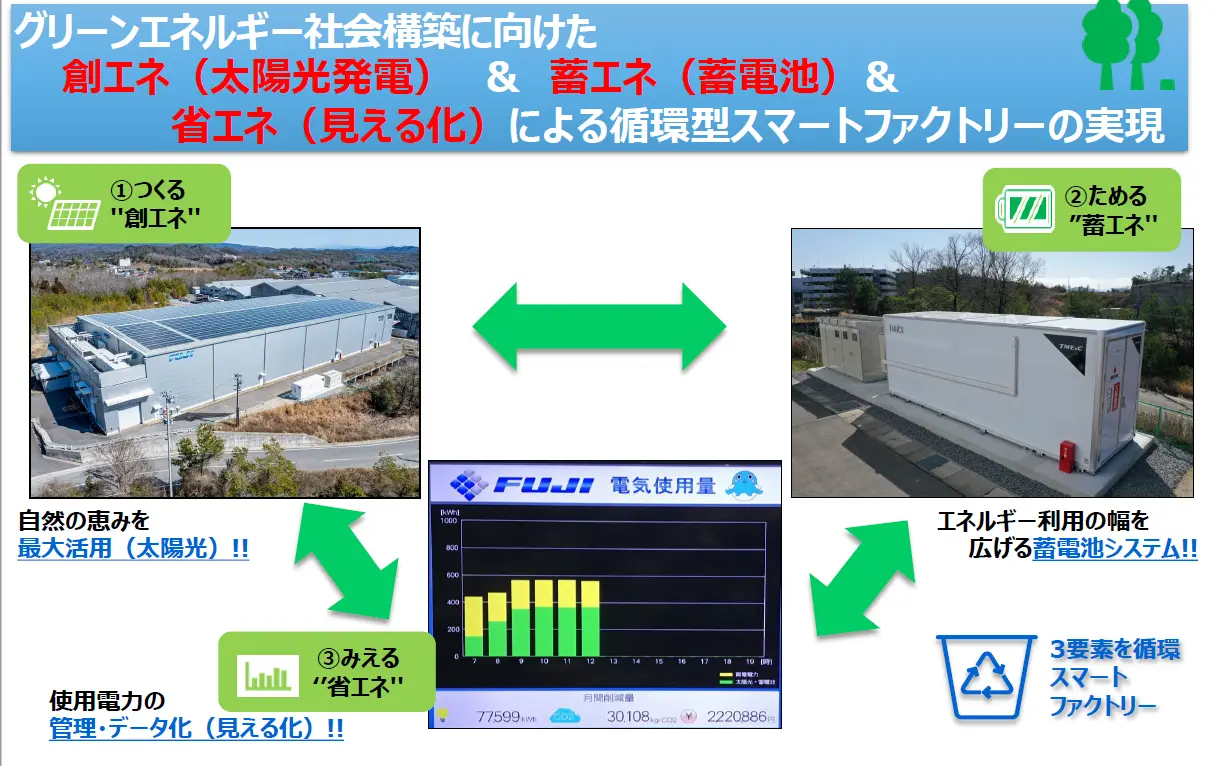
In addition to Fuji Toyota Plant's part processing factory, EDEC LINSEY SYSTEM, and Fasford Technology, solar power generation systems have begun operating in some buildings at Fuji Okazaki Plant from September 2024. The annual power generation is 1,594,000 Kwh, which can reduce CO2 emissions by approximately 670 tons per year.
Use of renewable energies
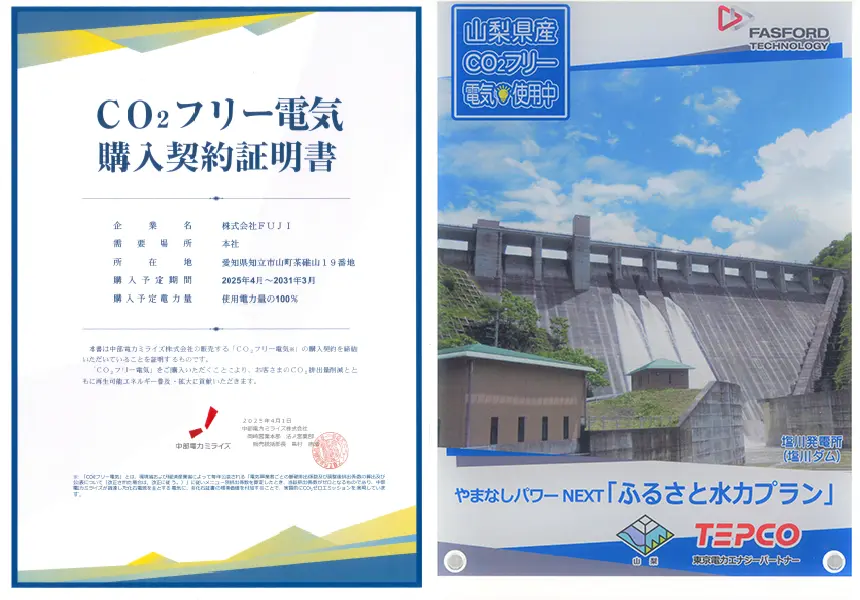
Fuji Group is gradually increasing the ratio of CO2-free electricity purchased to reduce CO2 emissions.
ADTEK FUJI has been purchasing CO2-free electricity only since July 2023, while since October 2022, Fasford Technology has been using electricity generated by the Yamanashi Prefectural Enterprise Bureau's hydroelectric power plants through the prefecture's hydroelectric power project. We are thereby emitting zero CO2 emissions from our electricity use.
CO2 emissions and intensity by sales
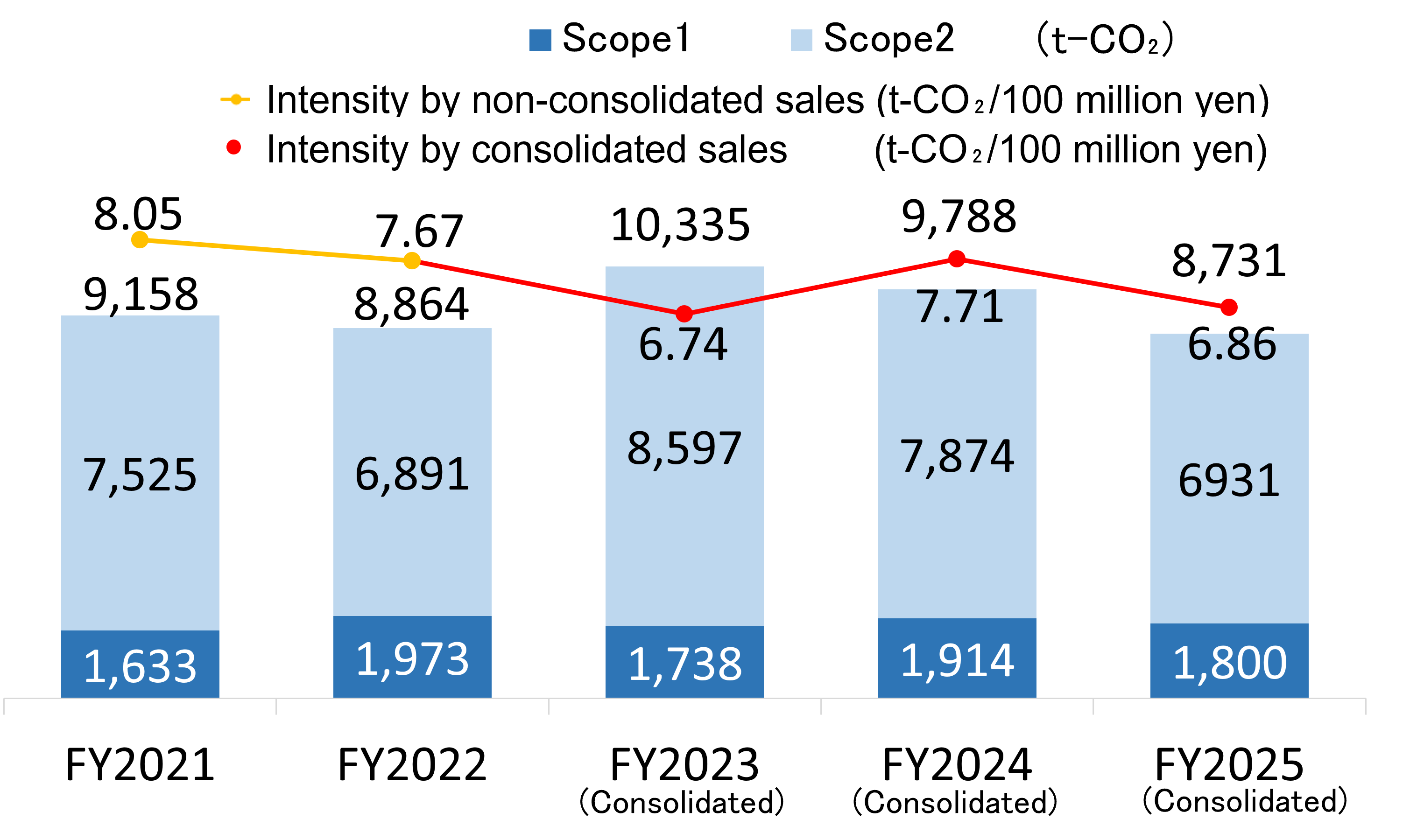
In addition to energy-saving activities by employees, we are striving to reduce CO2 emissions through installing energy-saving equipment, purchasing CO2-free electricity, and managing room temperatures.
- Target
To reduce Scope 1 and 2 emissions to 5,476 t-CO2 in fiscal year 2031.
Amount of renewable energies introduced
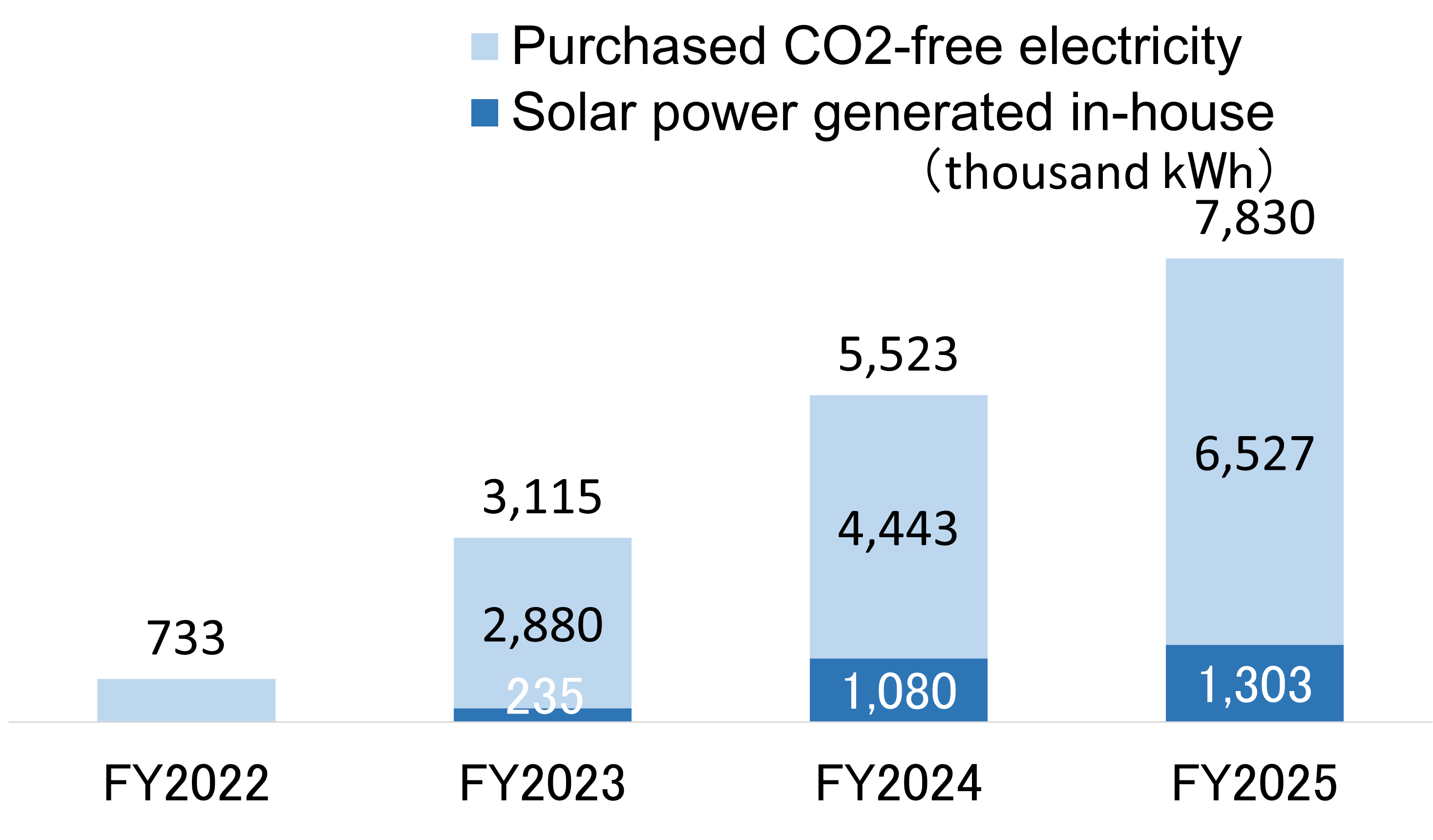
Fuji Group is gradually increasing the ratio of CO2-free electricity purchased to reduce CO2 emissions.
- Target
To achieve 100% renewable energy in electricity use at the headquarters in fiscal year 2026.
Develop Eco-Friendly Products
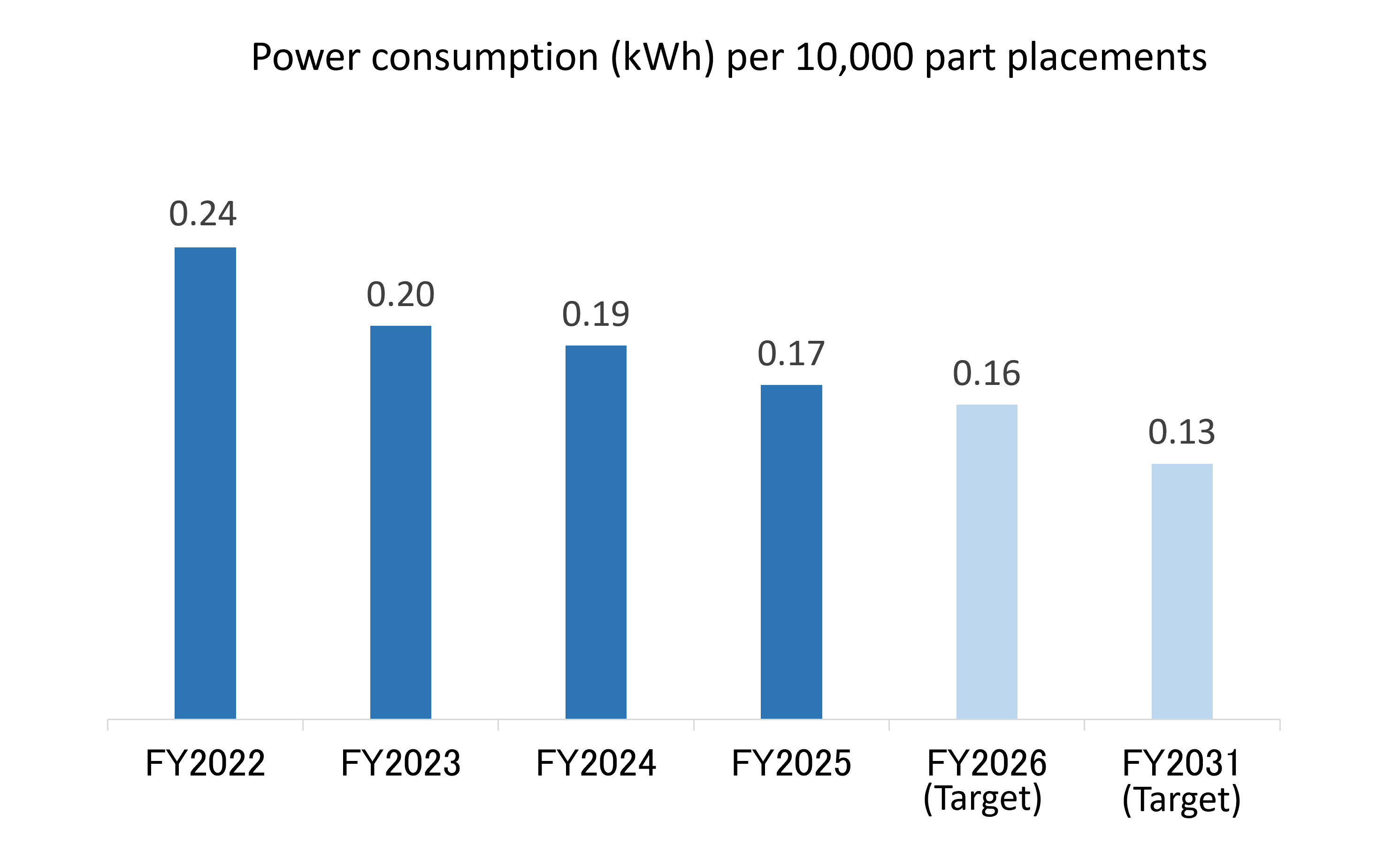
SMT pick and place machine - NXTR
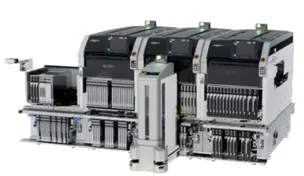
We will promote reduced power consumption by improving the placement speed of the "NXTR" SMT pick and place machine. We are also working to reduce the weight of materials used, recycle materials, reduce consumables used during electronic part placement, and curb air consumption to reduce loads that impact the product life cycle. NXTR is capable of mounting 120,000 parts per hour.
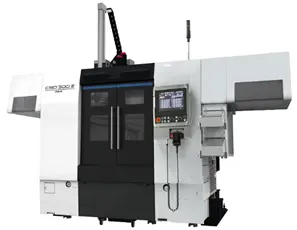
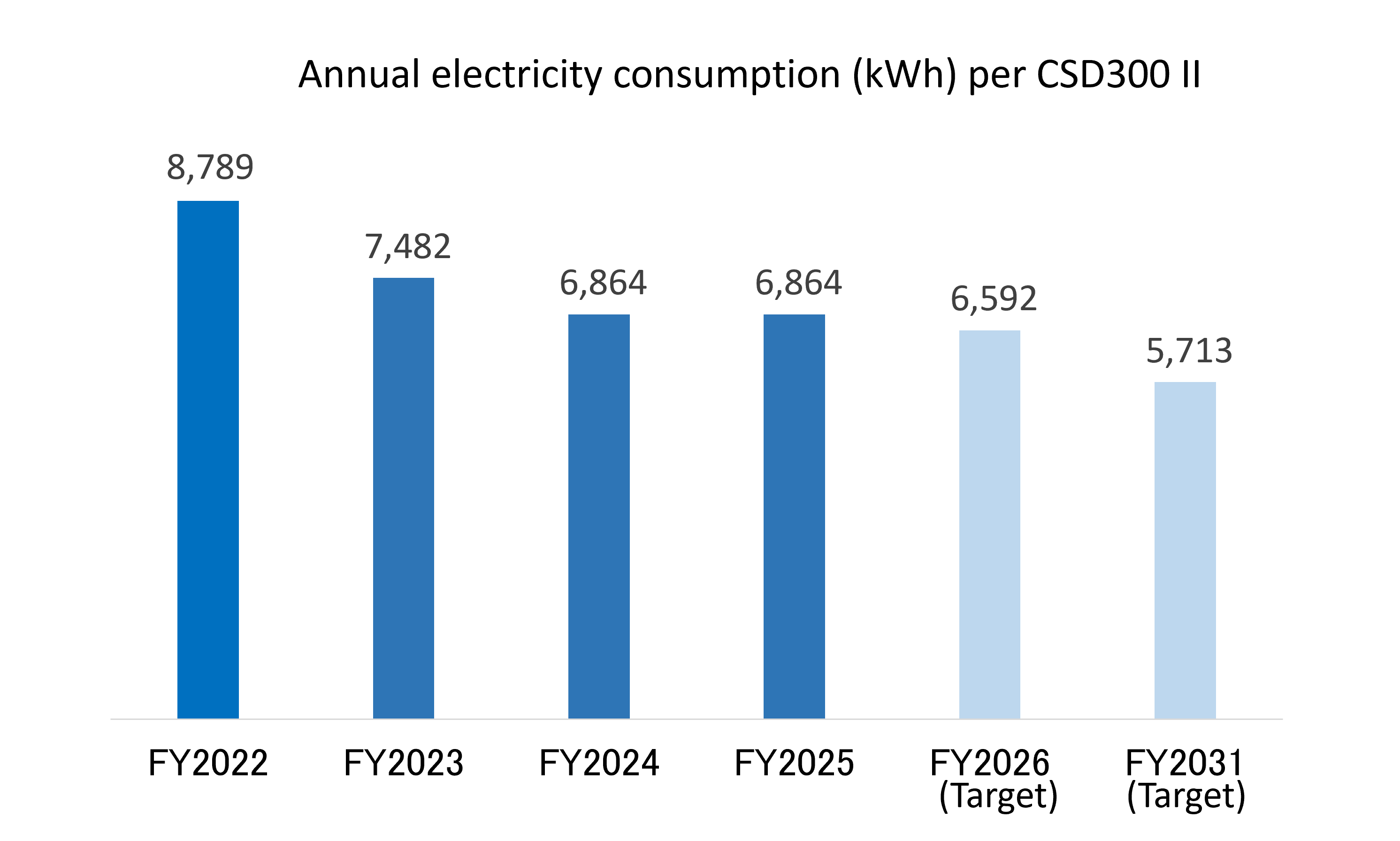
Front-facing twin-spindle lathe - CSD300II
We are working to reduce power consumption of our products such as the CSD300II, a front facing twin spindle lathe. Efforts are being made to reduce waste (hydraulic standby control, air saving), shorten warm-up time through thermal displacement compensation, and promote visualization (energy saving screen).
Develop Environmental Contribution Products
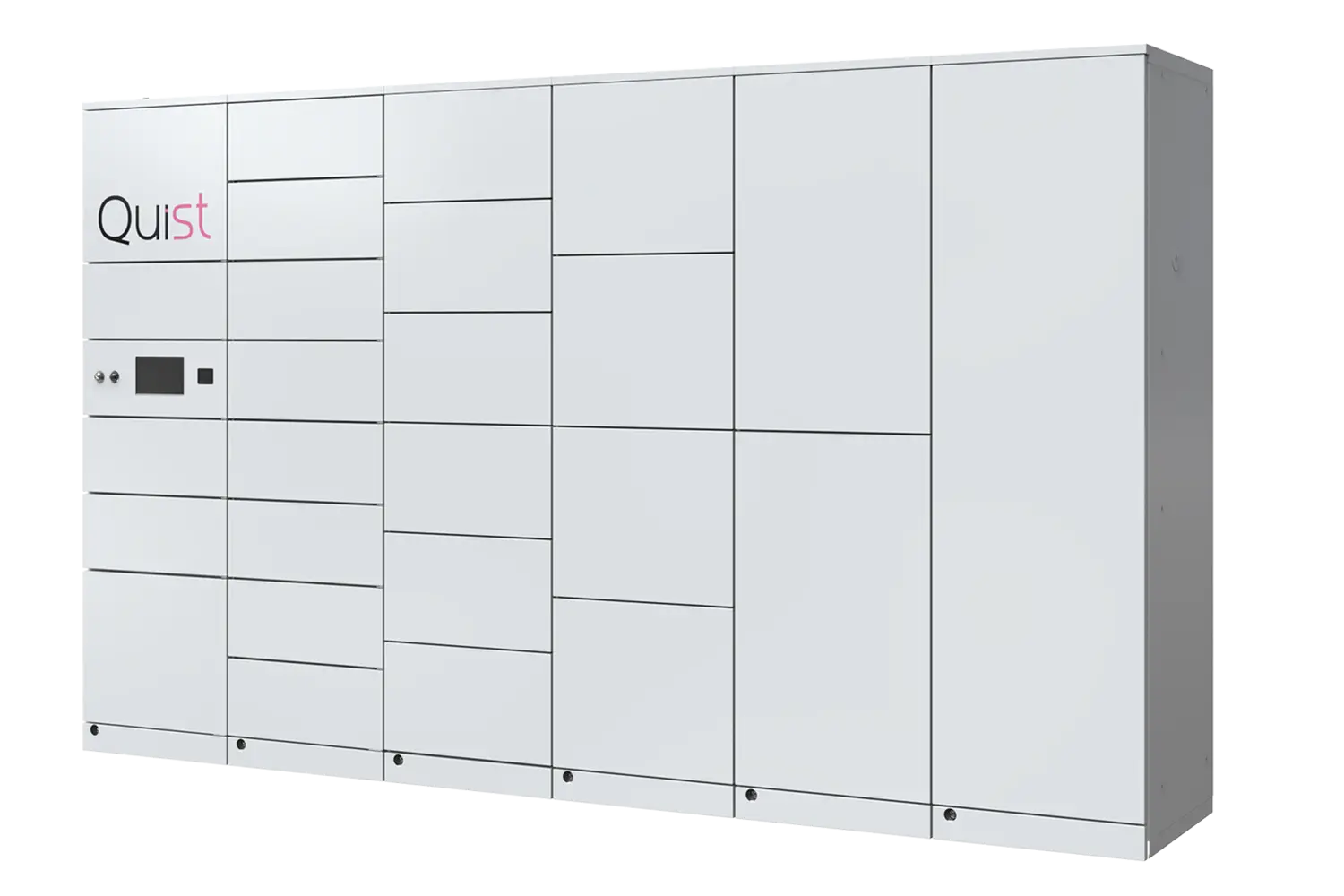
Smart locker system - Quist
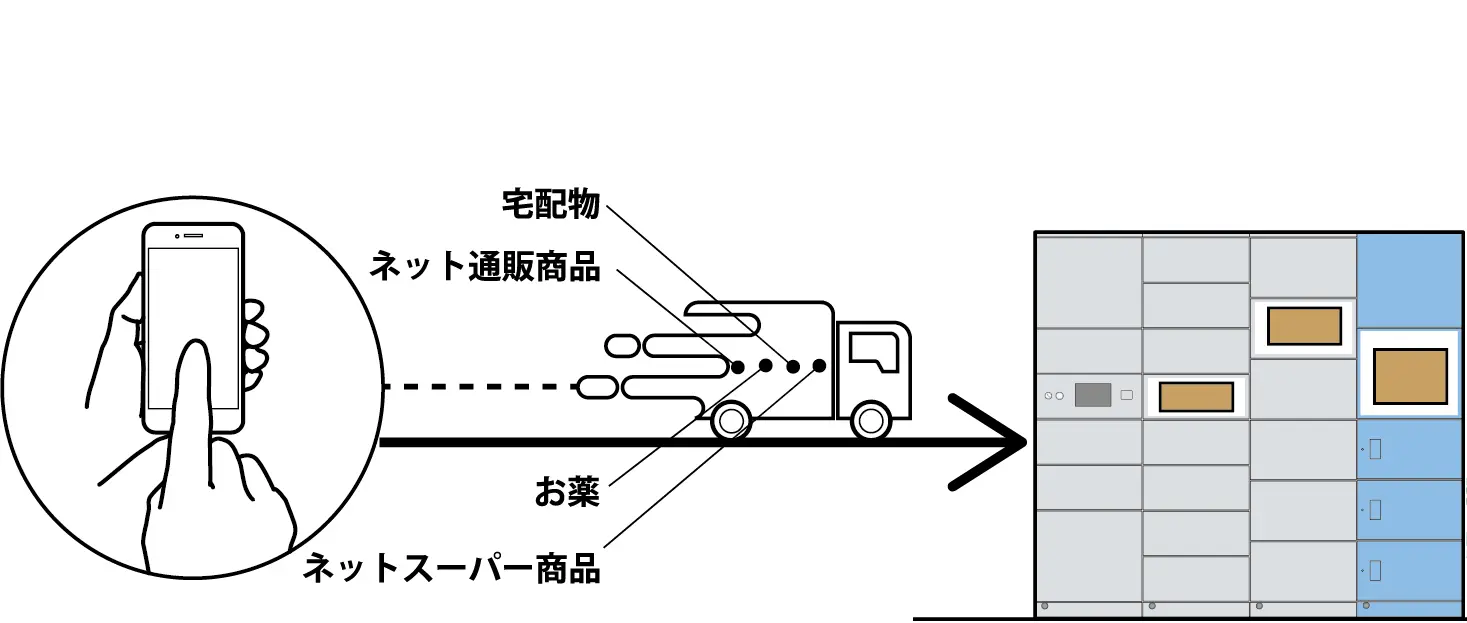
The smart locker system, Quist, is a delivery locker that enables the consolidation of delivery locations as a solution to the last mile problem.
The "last mile problem" refers to the issue of inefficiencies or increased costs that can occur in the final section of logistics, from delivering goods to the customer, who is the final destination.
It is possible to solve the following problems and contribute to reducing CO2 by consolidating delivery locations.
- More vehicles from individual deliveries
- Redelivery of items
- Idling and slow driving due to worsening traffic congestion in urban areas
Waste-Sorting Robot - R-PLUS
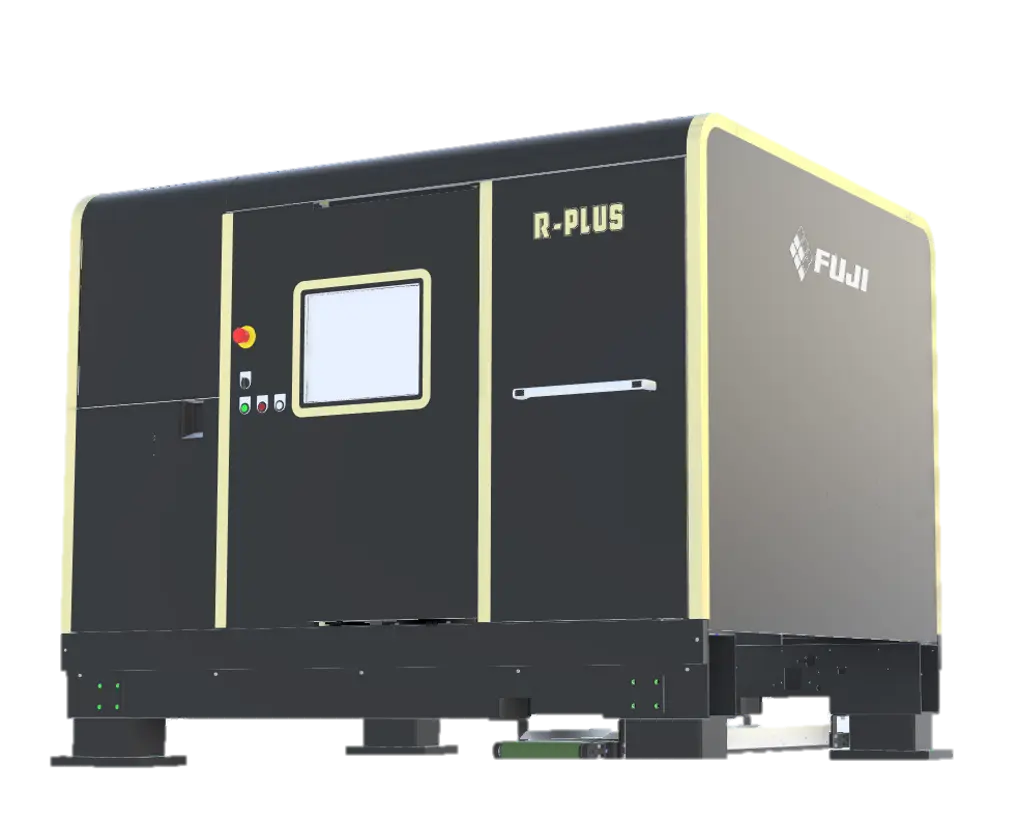
The waste-sorting robot, R-PLUS, is a machine that automates the manual sorting process for recycling industrial waste with AI-based detection technology and picking hands. This unit contributes to improved and stabilized recycling efficiency through automation of waste sorting.
Participation in Model Project for Promoting Decarbonization Throughout the Value Chain Initiative from the Ministry of the Environment in Fiscal 2024
The Ministry of the Environment of Japan implemented a project to support efforts to promote decarbonization management through collaboration among multiple companies and to create an advanced model for reducing emissions throughout the value chain. We participated in this project together with three suppliers and one group company that manufactures overseas, in order to work towards achieving carbon neutrality.
We received interest from government agencies and manufacturing organizations regarding the knowledge gained from this project and supplier support methods, and were able to expand our scope of activities through seminars and other means.
Going forward, we will expand this project to more suppliers and work to reduce CO2 emissions across the entire value chain, striving to achieve the Fuji Group's long-term environmental goals as soon as possible.
- Initiatives
- Raise employee awareness for carbon neutrality and incorporate it into departmental policies
- Provide environmental education (new managers, new employees)
- Conduct study sessions for carbon neutrality for the supply chain
- Calculate primary data in cooperation with suppliers and group companies
- Present at the industry-based practical seminars for reducing greenhouse gas emission hosted in Gifu, Japan
- Present at a seminar for the Green Value Chain Promotion Network hosted by the Ministry of the Environment for Japan
- Present at the seminar for policy trends and case studies for reducing greenhouse gas emissions held by the Japan Electrical Manufacturers' Association (JEMA)
- Register as a goal setting member of the Green Value Chain Promotion Network (jointly operated by the Japanese Ministry of the Environment, the Ministry of Economy, Trade and Industry, and the Ministry of Agriculture, Forestry and Fisheries)
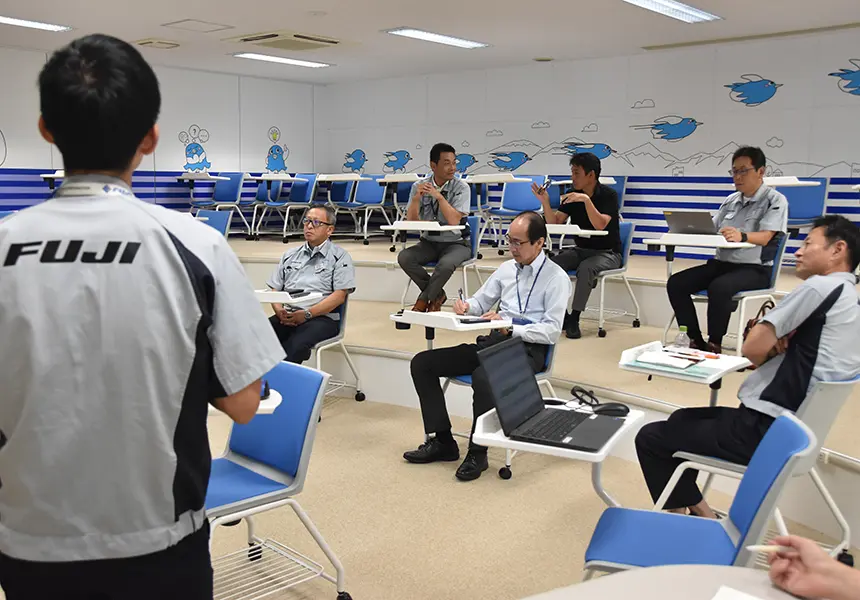
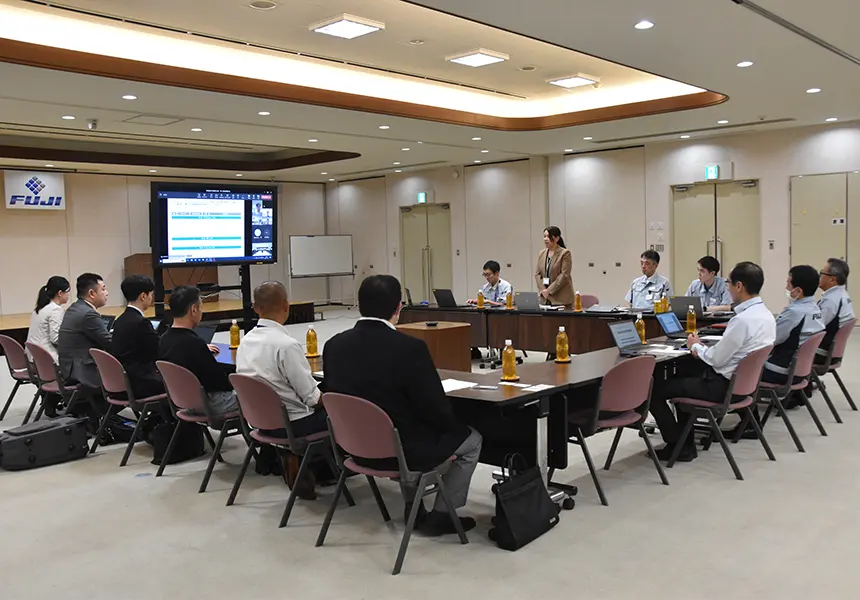
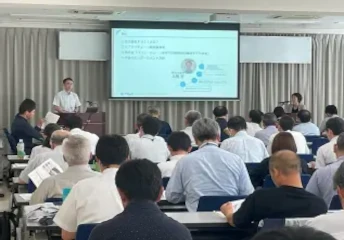
for reducing greenhouse gas emission
Collaboration With Suppliers
In fiscal year 2022, an analysis of CO2 and other greenhouse gas emissions across Fuji's entire business revealed that emissions originating from the supply chain, such as raw material procurement and logistics, accounted for approximately 60% of total emissions. To achieve its medium- and long-term environmental goal of reducing CO2 emissions in the supply chain by 30% by fiscal year 2031 (compared to fiscal year 2022), it is essential to reduce emissions by working with suppliers, in addition to energy conservation and the implementation of renewable energy within the company, and we are working to raise awareness of this. Specifically, we are providing videos to start raising awareness among supplier employees.

We are also deepening mutual understanding by participating in a model project by the Ministry of the Environment together with representative supplier companies and holding study sessions on carbon neutrality hosted by our company. In addition, in calculating supply chain emissions, we are promoting the use of primary data calculated from energy consumption (Scope 1 and 2) at suppliers, rather than the simplified method of estimating CO2 emissions by multiplying the purchase amount by the CO2 emission unit specified for each industry.
| Date | Session | Companies | Participants |
|---|---|---|---|
| Jan. 2023 | Carbon neutral information session | 13 | 50 |
| Apr. 2023 | Carbon neutral information session Briefing on subsidies by financial institutions | 17 | 37 |
| Mar. 2024 | "Model Project for Promoting Decarbonization Throughout the Value Chain Initiative" from the Ministry of the Environment report meeting | 129 | 147 |


Facing challenges drives the future.
DNA that never stops evolving.
Human stories woven through technology.